
LEE Huey-mei Shapes the National Taichung Theater’s Next Decade
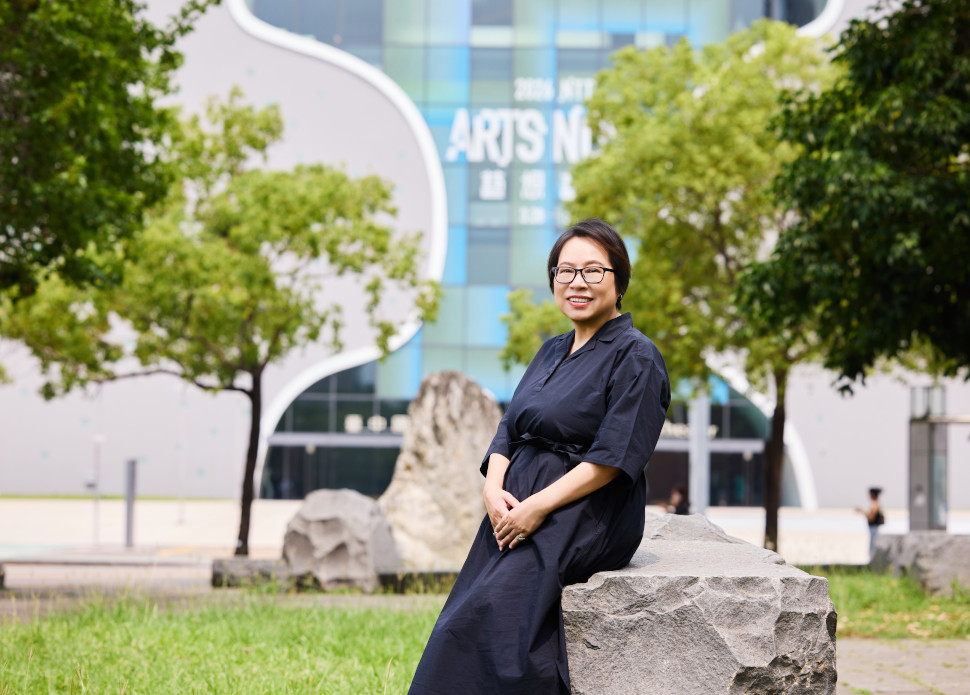
LEE Huey-mei brings extensive experience in national institutions, local cultural development, and international exchange to her leadership of the NTT. (Image courtesy of National Taichung Theater. Photo credit: Mon LEE)
A Career Shaped by Four Decades of Performing Arts
In April 2026, LEE Huey-mei assumed the role of General and Artistic Director of the National Taichung Theater (NTT), bringing with her more than four decades of experience across Taiwan’s performing arts sector. Her career has spanned programme production, venue management, curatorial practice, artistic development, and international cultural exchange—experience that now shapes how she sees the NTT and its next decade.
From 2014 to 2018, LEE served as General and Artistic Director of the National Theater and Concert Hall, where she integrated programming with institutional development while strengthening public engagement and international collaboration. More recently, as curator of the Taoyuan Iron Rose Arts Festival from 2023 to 2026, she explored the relationship between artistic practice and urban culture. In 2025, she was elected Chairperson of the Performing Arts Alliance, contributing to industry development, cultural policy advocacy, and the broader performing arts ecosystem.
From National Experience to a Local Perspective
This breadth of experience—moving between national institutions, local festivals, artistic creation, and international exchange—gives LEE a distinctive perspective on the NTT. Rather than approaching a new leadership term by simply introducing more programmes or pursuing more internationally renowned productions, she has chosen to first understand the city the NTT serves.
The NTT has already established a strong international presence during its first decade, while nurturing artistic talent and expanding global collaborations. As it enters its second decade, LEE sees an opportunity to build on these achievements and further redefine the role of a national performing arts institution: not simply as a venue where performances take place, but as a cultural platform connecting artists, audiences, and the city.
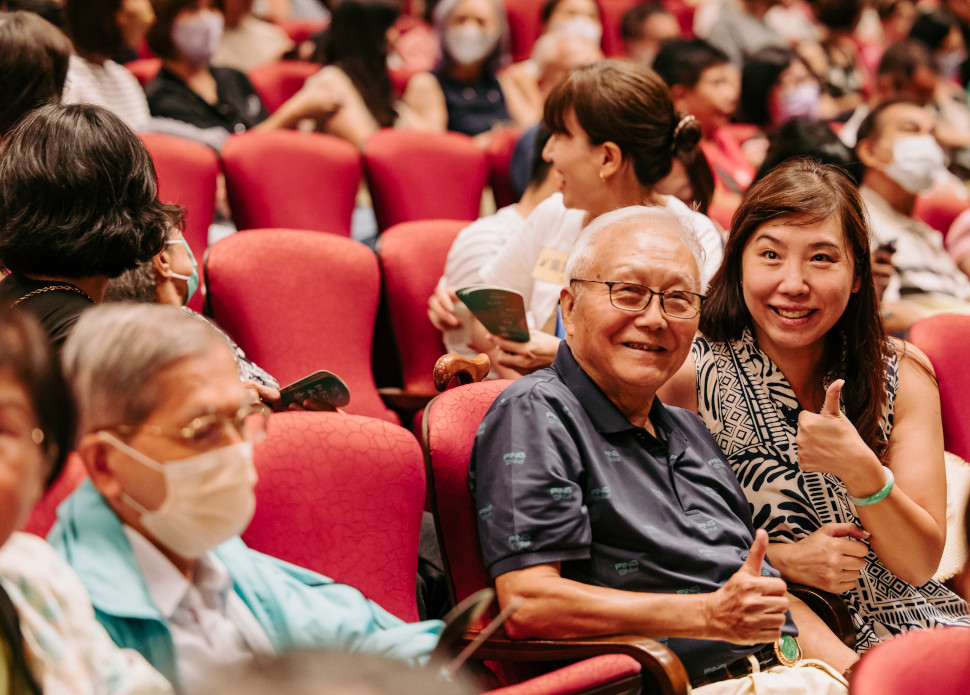
Audiences at the NTT reflect the theater’s connection with the people, culture, and everyday life of Taichung. (Image courtesy of National Taichung Theater. Photo credit: Mon LEE)
Audiences at the NTT reflect the theatre’s connection with the people, culture, and everyday life of Taichung.
Returning the Theatre to Artists
For LEE, the role of an artistic director is not to define a theatre through a particular taste, but to create the conditions for artists and audiences to encounter one another. Her vision is to “return the theatre to artists”—to provide a space where artists can experiment, develop their ideas, and take risks, while the institution creates the environment and support for artistic work to take root.
This approach reflects her long experience working across different forms of artistic practice and institutional contexts. Rather than defining the NTT through a single artistic identity, she seeks to create the conditions for different voices, disciplines, and generations of artists to emerge and connect with audiences.
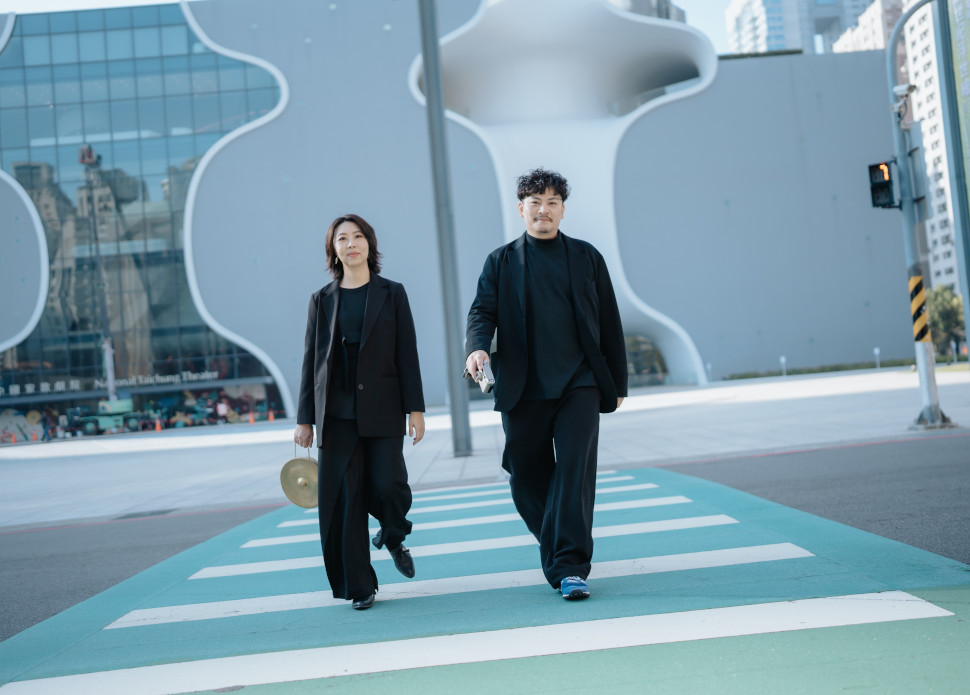
Resident Artists LAI Chi-hsia (left) and Oscar HUANG (right) in creative exchange, reflecting the NTT’s vision of creating space for artists to experiment, develop, and grow. (Image courtesy of National Taichung Theater. Photo credit: LIN Chun-yung)
The More Local, the More International
Her local perspective is equally important. Having worked at both the national and city level, LEE recognises that every city has its own cultural context, character, and rhythm of life. For Taichung, she believes the NTT should not simply continue pursuing internationally recognised “names,” but should cultivate “names of its own”—artists and works rooted in the city.
Her guiding principle is clear: “The more local, the more international.” By telling local stories with depth and authenticity, she believes they can touch universal emotions and cross cultural and linguistic boundaries. For the NTT, this means looking to Taichung itself as a source of artistic energy, while creating opportunities for local artists and stories to connect with audiences beyond Taiwan.
A Theatre Where Everyone Can Find Their Place
This vision extends beyond the stage. LEE imagines a theatre where classical art and contemporary experimentation can coexist with Taiwanese glove puppetry, street culture, traditional performance, family programmes, talks, workshops, and everyday encounters.
A theatre, in her view, should not be defined by a single notion of taste or refinement. Its value lies in allowing different people to enter through different doors and find their own place within it. Some may come for an international ensemble; others may come for a family programme, a workshop, a conversation—or simply to spend time in the building. What matters is creating diverse ways for people to encounter art and make the theatre part of their daily lives.
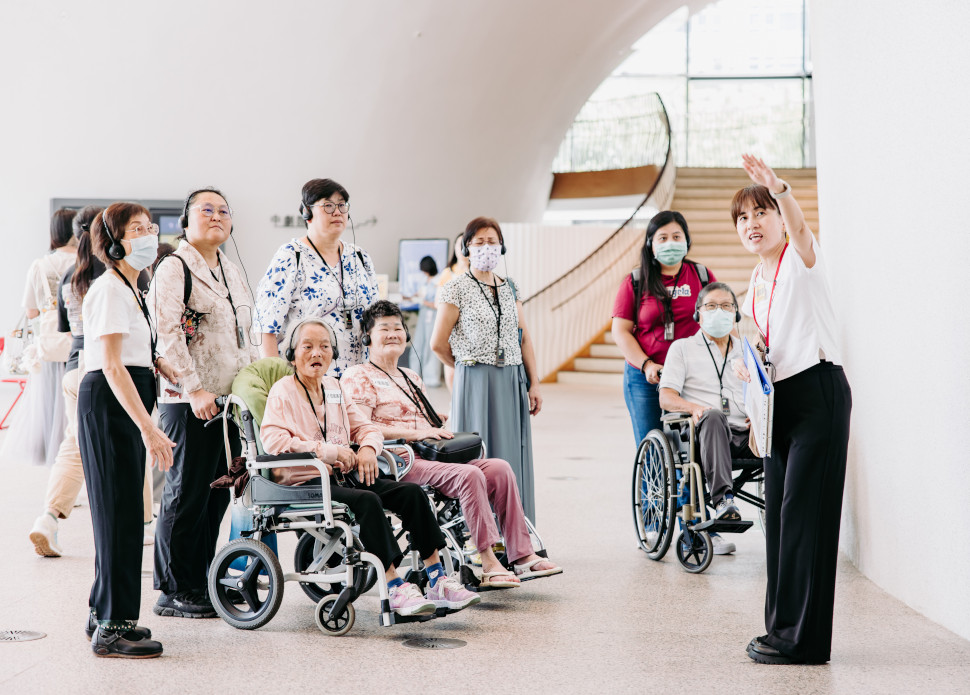
The NTT creates diverse pathways for people to encounter art, fostering a welcoming theater where everyone can find their place. (Image courtesy of National Taichung Theater. Photo credit: Mon LEE)
Growing with Taichung, Connecting with the World
For the NTT, the next decade is therefore not simply about expanding its programme portfolio. It is about deepening its relationship with Taichung, strengthening its role as a platform for artistic creation, and building a cultural identity that is both locally rooted and internationally connected.
With a career shaped by national institution-building, local cultural development, artistic practice, and international exchange, LEE Huey-mei brings to the NTT a perspective that connects the local with the global. Her ambition is to build a theatre where artists can create freely, audiences feel at home, and the stories of Taichung can reach the world—allowing the NTT and the city to grow together.